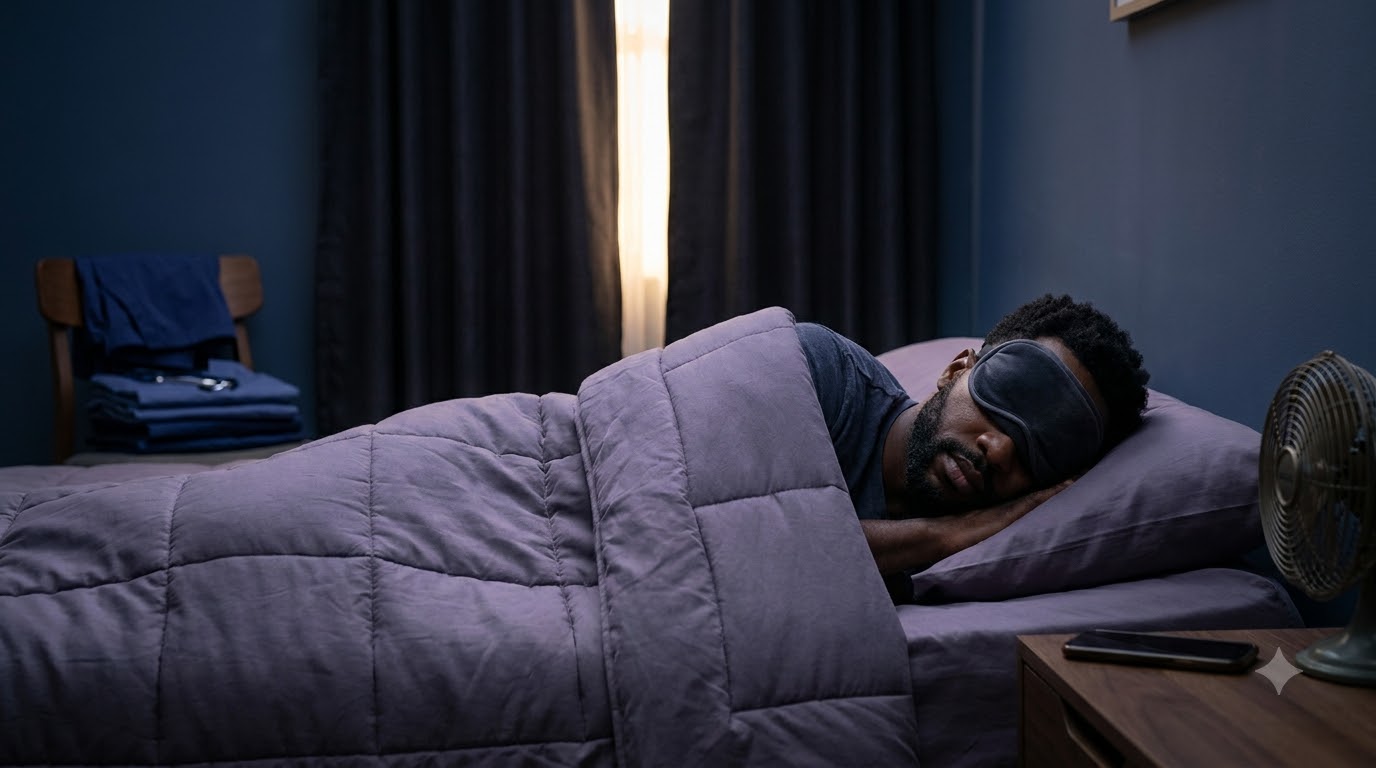
Night shift workers sleep best by treating daytime sleep like nighttime sleep: make the bedroom completely dark and quiet, go to bed as soon as you can after your shift, and keep a consistent sleep window. Wear sunglasses on the way home, use caffeine only early in your shift, take a short nap before work, and protect your sleep time from interruptions. Watch for signs of shift work disorder and never drive drowsy.
Millions of Americans work night shifts or odd hours, including nurses, doctors, police officers, truck drivers, and factory workers. If you work these hours, you know how hard it can be to fall asleep during the day, even when you’re tired. The sunlight and outside noise just make it harder.
Your body clock is designed to sleep at night and be awake during the day. Working nights means fighting that design. You can’t completely override it, but you can make daytime sleep much better.
Why sleeping during the day is so hard
Your circadian rhythm uses light to decide when you should be awake. Morning sunlight on your drive home tells your brain “wake up!” right when you’re trying to go to bed. Daytime noise, family schedules, deliveries, and phone calls make it worse. As a result, many night workers get less sleep and lower-quality sleep than day workers.
1. Turn your bedroom into a cave
Your bedroom needs to be dark, quiet, and cool — more than a typical bedroom.
- Blackout curtains or blinds: Block every bit of light. Cover gaps around the edges with tape or a curtain liner if needed.
- Sleep mask: A good backup for any light that sneaks in.
- Sound control: Use earplugs, a fan, or a white noise machine to cover traffic, lawn mowers, and household noise.
- Cool temperature: Daytime rooms heat up. Use a fan or AC and breathable bedding.
- Phone on Do Not Disturb: Allow calls only from a few important contacts.
2. Protect yourself from morning light
Light after your shift makes it harder to fall asleep. Wear dark sunglasses on your commute home, even on cloudy days. Keep lights dim once you’re home, and skip the bright kitchen and TV. Head to bed as soon as you reasonably can.
3. Pick a consistent sleep window
Many night workers do best sleeping right after their shift (for example, 9 AM to 4 PM). Others prefer a split schedule: a main sleep after work and a shorter nap before their next shift. Whatever you choose, keep it as consistent as possible, because your body adjusts better to a predictable routine.
On days off, it’s tempting to switch completely back to a daytime schedule. If you can, consider an “anchor sleep”: keep a few hours of sleep overlapping with your work-day sleep window (for example, sleeping from 3 AM to 11 AM on days off). This can make switching back to nights less painful.
4. Use naps strategically
A short nap of 20 to 30 minutes before your shift can boost alertness. Some workplaces also allow brief naps during breaks, which can help on long overnight shifts. Keep naps short so you don’t wake up groggy.
5. Time caffeine carefully
Caffeine is a useful tool for night work, but timing matters. Use it near the start of your shift and stop several hours before you plan to sleep. A coffee at 5 AM may still be in your system when you’re trying to sleep at 9 AM.
6. Eat lighter during the night
Your digestion slows down at night. Heavy, greasy meals in the middle of a night shift can cause discomfort and make you sleepier. Try smaller meals and healthy snacks, and drink water through your shift. Avoid a big meal right before your daytime sleep.
7. Use bright light at work
Bright light during the first part of your shift can help you stay alert and may help your body adjust to working nights. If your workplace is dim, ask whether brighter lighting is possible in break areas.
8. Get your household on board
Explain to family members or roommates that your daytime sleep is your “night.” Put a sign on the bedroom door, schedule noisy chores for when you’re awake, and ask for no interruptions except emergencies.
9. Never drive drowsy
The drive home after a night shift can be one of the most dangerous parts of the day. Warning signs include yawning, heavy eyelids, drifting out of your lane, and missing exits. If you feel drowsy, don’t drive: take a short nap first, use a ride service, or carpool.
Talk to a healthcare provider if you regularly can’t sleep during your off-hours, feel extremely sleepy at work, or notice changes in mood. These can be signs of shift work disorder. A doctor can help with strategies, and in some cases treatments. Also mention loud snoring or gasping in sleep, which can point to sleep apnea.
- Make your bedroom completely dark, quiet, and cool for daytime sleep.
- Wear sunglasses on your commute home and keep lights dim.
- Keep a consistent sleep window and consider anchor sleep on days off.
- Nap briefly before your shift and stop caffeine hours before bed.
- Never drive drowsy — nap first or get a ride.
Frequently asked questions
What is the best time for night shift workers to sleep?
Many people sleep best right after their shift, while they’re tired and before the day gets busy and hot. The most important thing is choosing a consistent window that you can protect.
How much sleep do night shift workers need?
Adults generally need at least 7 hours of sleep, whether it happens at night or during the day. If you can’t get it in one block, a main sleep plus a nap can help make up the total.
Is working night shifts bad for your health?
Long-term night work has been linked to health concerns, mostly related to ongoing sleep loss and disrupted body clocks. Protecting your sleep, eating well, staying active, and having regular checkups can help reduce the impact.
Sources
This article is for informational purposes only and is not medical advice. Talk to a healthcare provider about your own sleep.

Krishnakant Pandey is the founder of YuBetterSleep. He has worked in professional digital services since 2010, helping e-commerce brands and IT companies, and has been running the blog SarkariExamHelp.com since 2017. At YuBetterSleep, he turns trusted sleep research from sources like the NIH and CDC into simple, practical guides. He is not a doctor, and he always encourages readers to talk to a healthcare provider about their own sleep.