There’s very little solid evidence that mouth taping improves sleep for most people. A few small studies suggest it might reduce snoring in some people with mild issues, but reviews of the research have found mostly low-quality evidence, and some experts warn it can be risky. Don’t tape your mouth if you have nasal congestion, suspected sleep apnea, or trouble breathing through your nose. If you breathe through your mouth at night, see a doctor to find out why.
If you’ve spent any time on TikTok or Instagram, you’ve probably seen someone putting a strip of tape over their lips before bed. Fans say it stops snoring, prevents dry mouth, and leads to deeper sleep. But is it backed by science, and is it safe?
What is mouth taping?
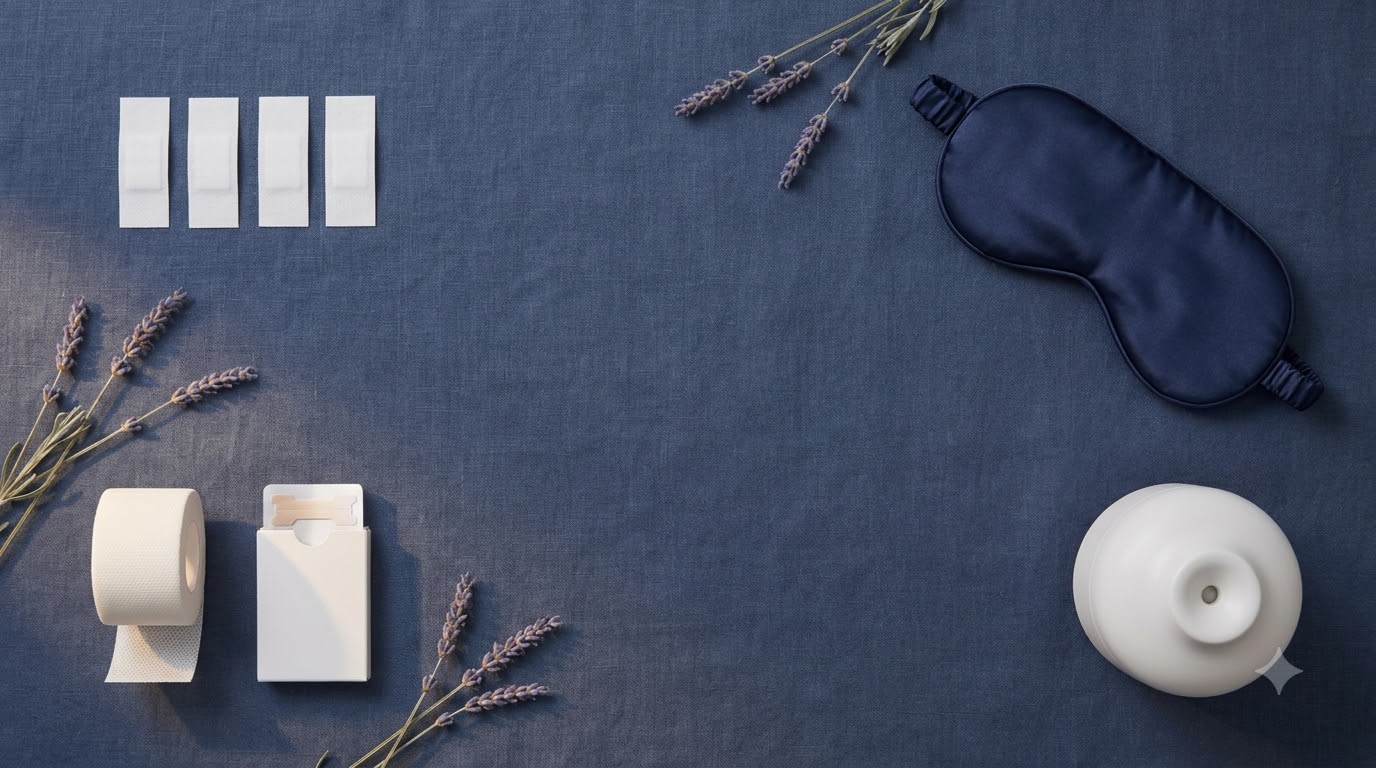
Mouth taping means placing a piece of tape (usually a special skin-safe tape made for this purpose) over your lips before sleep. The idea is to keep your mouth closed so you breathe through your nose all night.
Why nose breathing matters
Breathing through your nose is the body’s default. Your nose filters, warms, and humidifies the air you breathe. Breathing through your mouth at night is linked to dry mouth, snoring, and bad breath, and it’s often a sign of something else going on, like a blocked nose or sleep apnea.
So the goal behind mouth taping, nasal breathing, makes sense. The question is whether taping is a good way to get there.
What the research says
The research on mouth taping is limited:
- Studies so far have been small, often with only a few dozen participants.
- A few have found less snoring in some people with mild snoring or mild sleep apnea who already breathed well through their nose.
- Reviews looking at the overall research have concluded the evidence is weak, and that mouth taping shouldn’t be recommended as a treatment without more study. Some researchers have raised concerns about potential harms.
In short: mouth taping isn’t proven to improve sleep quality, and claims you see online, like better focus, a sharper jawline, or dramatically deeper sleep, aren’t supported by good evidence.
The risks
- Breathing trouble: If your nose gets blocked during the night from allergies, a cold, or a deviated septum, tape can make it harder to breathe.
- Masking sleep apnea: Snoring and mouth breathing can be signs of obstructive sleep apnea, a serious but treatable condition. Taping might hide the symptom while the real problem goes untreated.
- Skin irritation: Tape can irritate or damage the skin on and around your lips.
- Anxiety: Some people feel panicky or claustrophobic with their mouth taped.
Who should never try mouth taping
- Anyone with a stuffy nose, allergies, sinus problems, or a cold
- People with known or suspected sleep apnea (loud snoring, gasping, choking, or very tired during the day)
- People with lung conditions such as asthma or COPD
- Anyone who has been drinking alcohol or has taken sedatives
- Children
- Anyone who feels nauseous or might vomit
Safer ways to stop mouth breathing at night
Find out why you breathe through your mouth
This is the most important step. A doctor or an ear, nose, and throat (ENT) specialist can check for nasal blockage, enlarged tonsils, allergies, or sleep apnea.
Clear your nose
Saline rinses, treating allergies, and keeping your bedroom free of dust can make nasal breathing easier. Ask a pharmacist or doctor about what’s right for you.
Try nasal strips
External nasal strips gently open your nostrils from the outside. They don’t block your mouth, so you can still breathe through it if you need to.
Sleep on your side
Sleeping on your back makes snoring worse for many people. A side-sleeping position can help.
Use a humidifier
Dry air can irritate your nose and throat. A humidifier may help you breathe more comfortably, especially in winter.
See a healthcare provider if you snore loudly, if someone has noticed you stop breathing, choke, or gasp during sleep, if you wake up with headaches or a dry mouth most mornings, or if you feel very sleepy during the day. These can be signs of obstructive sleep apnea, which is treatable and important to diagnose.
- Mouth taping has limited, low-quality evidence behind it.
- It may reduce snoring for a few people, but isn’t proven to improve sleep.
- Never try it with a blocked nose, breathing problems, or suspected sleep apnea.
- Mouth breathing at night often has a cause worth checking with a doctor.
- Nasal strips, treating congestion, and side sleeping are gentler options.
Frequently asked questions
Does mouth taping stop snoring?
It may help a small number of people with mild snoring who breathe well through their nose. But snoring can be a sign of sleep apnea, so it’s best to get checked rather than tape over the symptom.
Is mouth taping recommended by doctors?
Most sleep specialists don’t recommend mouth taping as a treatment because the evidence is weak and there are possible risks. Some may discuss it in specific situations after an evaluation.
What kind of tape do people use?
Products sold for mouth taping are usually skin-safe, porous tapes. Regular household tapes like duct tape or packing tape should never be used on skin.
Sources
This article is for informational purposes only and is not medical advice. Talk to a healthcare provider about your own sleep.

Krishnakant Pandey is the founder of YuBetterSleep. He has worked in professional digital services since 2010, helping e-commerce brands and IT companies, and has been running the blog SarkariExamHelp.com since 2017. At YuBetterSleep, he turns trusted sleep research from sources like the NIH and CDC into simple, practical guides. He is not a doctor, and he always encourages readers to talk to a healthcare provider about their own sleep.